How to Hire an AI Automation Developer: 12 Questions to Ask Before You Sign
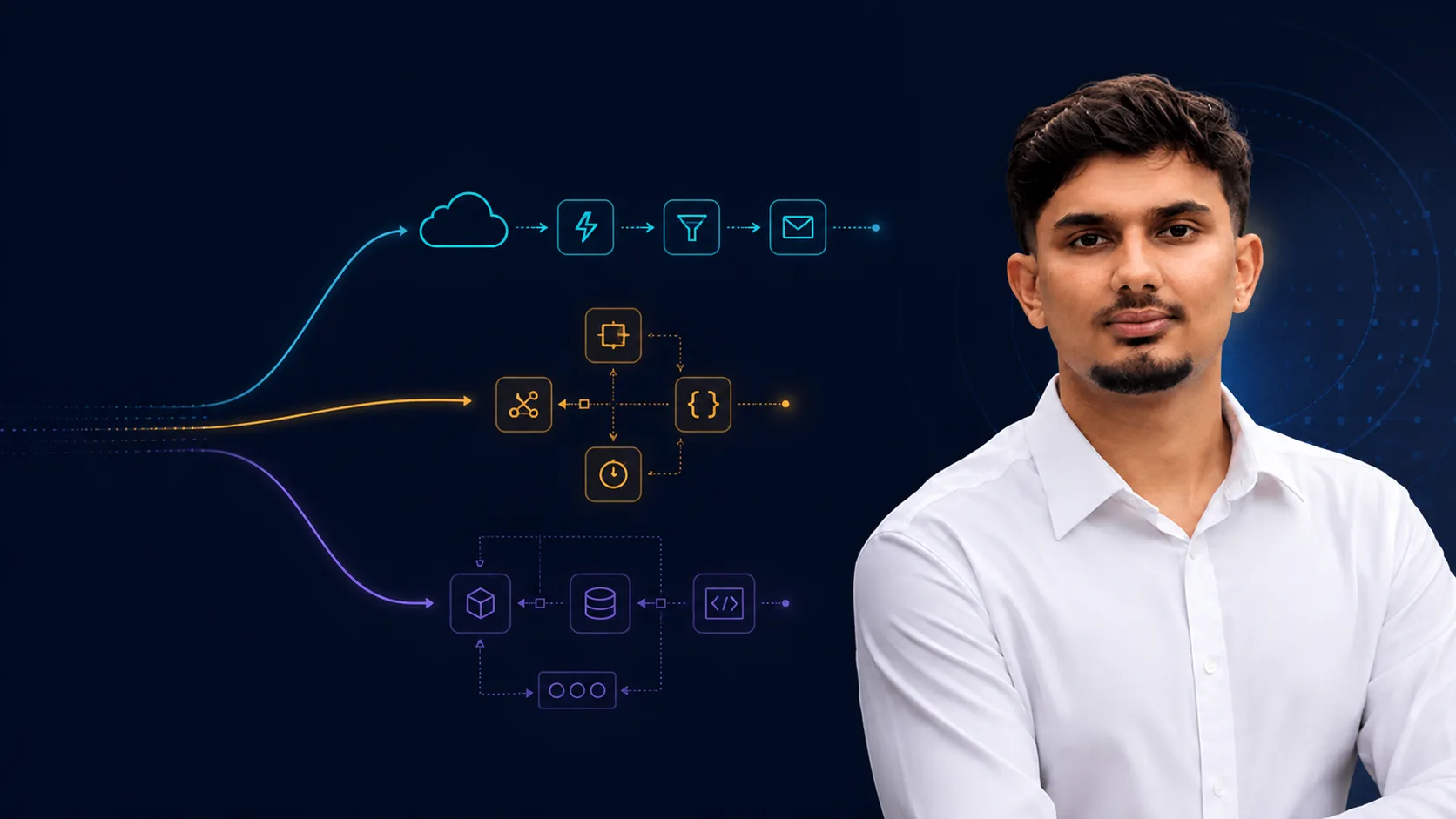
The 12 questions to ask before hiring an AI automation developer, the red flags to avoid, and how to structure a small, low-risk first project.
Practical guidance for businesses choosing AI workflows, integrations, and custom software—plus production engineering guides.
RSS Feed
What AI automation really costs a small business: the build, the monthly running costs, example scopes from small to large, and how to work out the return first.

Five prompts you can copy to troubleshoot your phone, learn a hobby, find a rainy-day activity, shop smarter, and write a photo caption.

Use AI to understand lecture notes, summarize PDFs, build better presentations, create flashcards, prepare for exams, and verify answers—without outsourcing your learning.

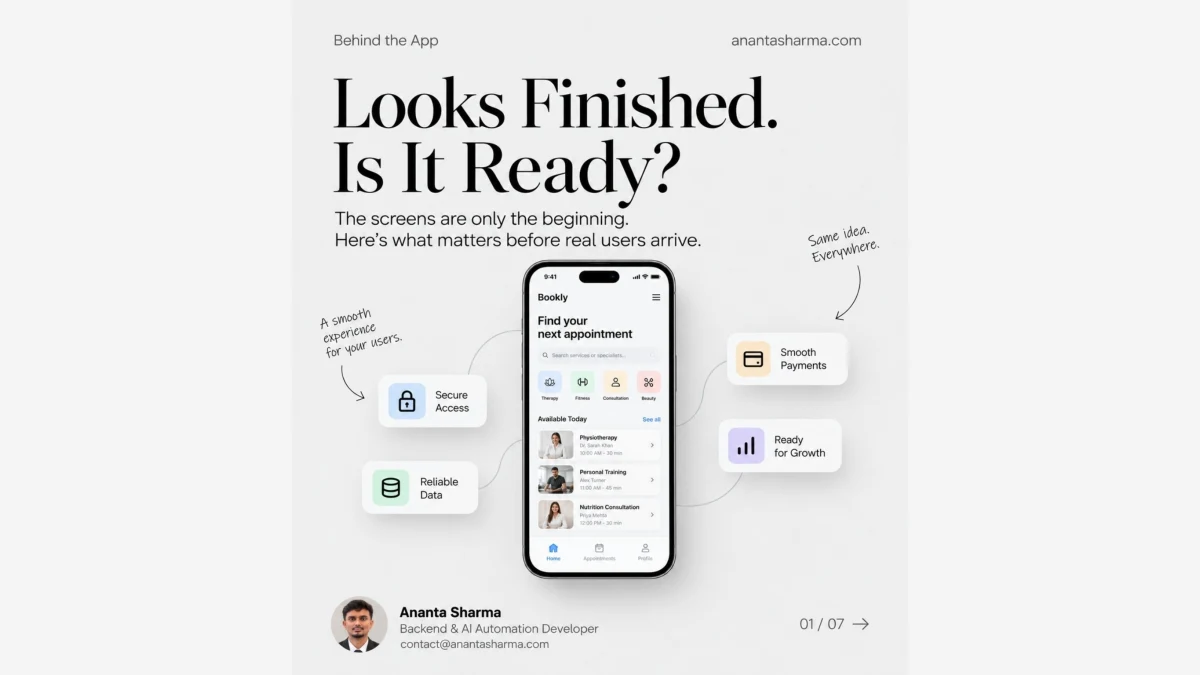
A polished interface is only the beginning. Explore the work behind a production-ready app: access, data, payments, error handling, monitoring, and improvement after launch.

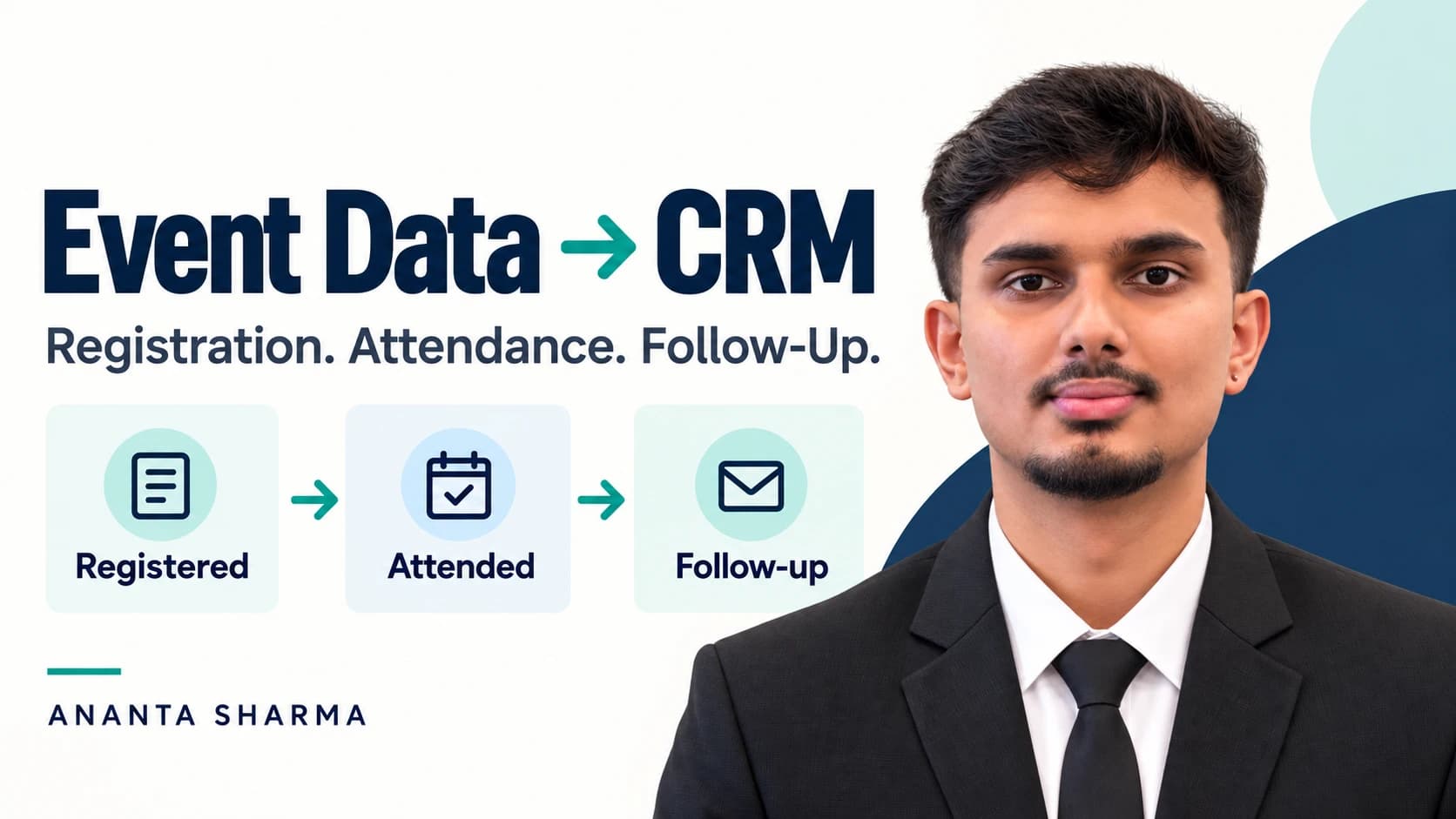
Connect event registrations and attendance to CRM contacts with deliberate field mapping, participation identity and recoverable follow-up workflows.

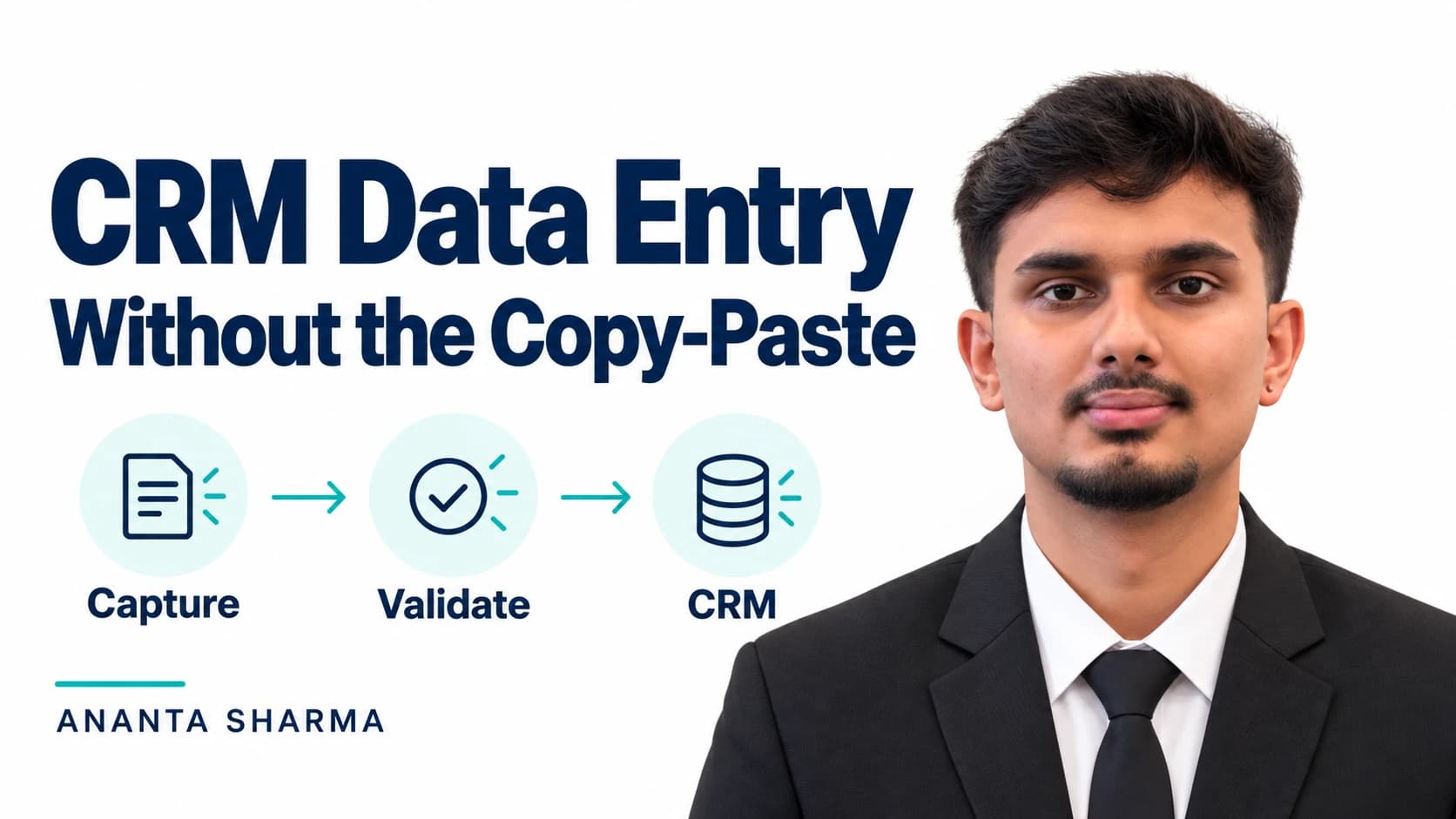
Remove manual CRM entry with native capture, field mapping, safe AI extraction, duplicate prevention and a visible exception queue.

A practical guide to AI CRM integration for small business: connect forms, inboxes, calendars, and follow-up while keeping data contracts, permissions, and human review clear.

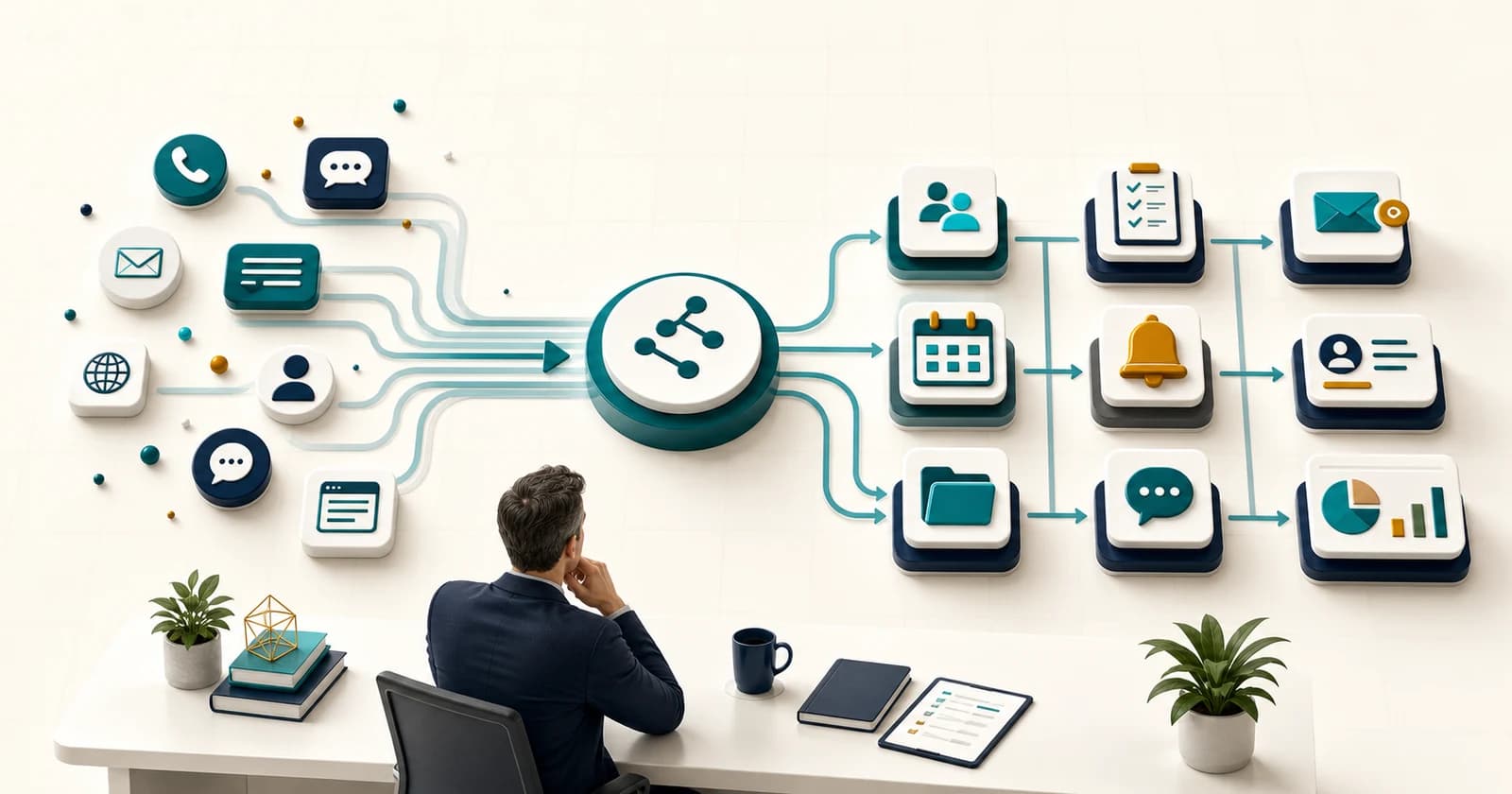
Learn how lead intake automation for small business turns forms, email, and phone notes into one qualified record with a clear owner and next action.

A practical guide to AI lead follow-up automation for contractors: capture better context, track quotes, stop duplicate follow-ups, and turn the next action into booked work.

A practical guide to choosing APIs, webhooks, and MCP for business automation in 2026, with production patterns, security boundaries, costs, and rollout advice.

A practical 2026 guide to AI agents for small business: compare rules, workflows, and agents, choose the first use case, estimate a pilot, and keep high-impact decisions human.

A scenario-based comparison of Claude Code and OpenAI Codex for unfamiliar codebases, NestJS backends, MCP integrations, production bugs, code review, and business automation.

A practical guide to AI automation for small business: 25 workflows worth evaluating, the real cost buckets, and a safe 30-day plan for choosing the first process.

A production architecture guide for MCP servers built with NestJS and TypeScript, covering tools, schemas, authorization, queues, idempotency, observability, and testing.

A production-focused decision framework for choosing Zapier, n8n, custom software, or a hybrid architecture based on risk, exceptions, ownership, and total cost.

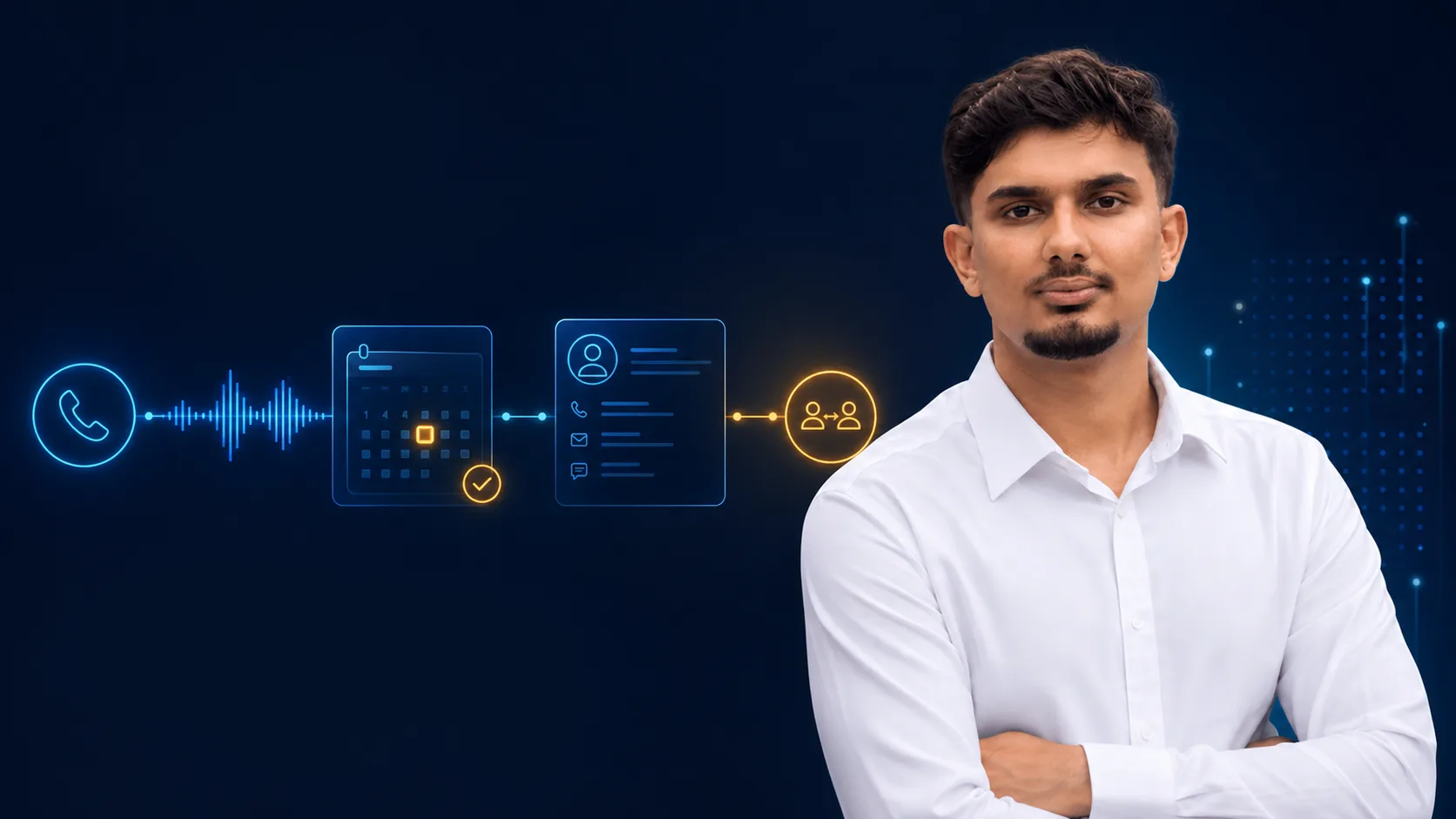
A practical guide to AI receptionists for small businesses: what to automate, what must stay human, how calendar and CRM integrations work, and how to scope a safe pilot.

A practical guide for business owners choosing their first AI workflow, from lead follow-up and onboarding to CRM updates, reporting, safeguards, and ROI.
A production AI agent needs more than a prompt. Learn how to structure NestJS modules, queues, validated tools, durable state, guardrails, approvals, and observability.

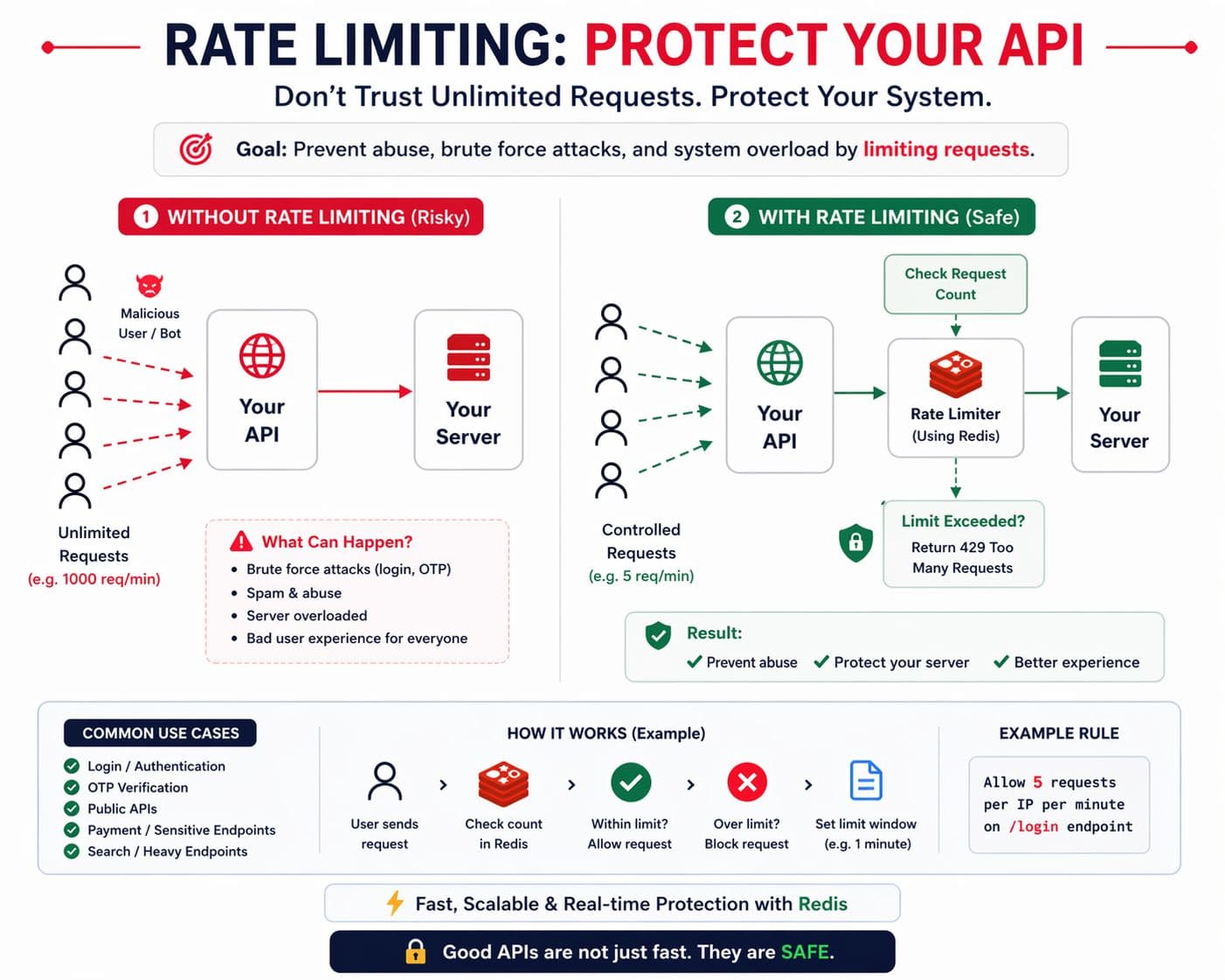
Exposing an API without rate limiting is asking for trouble. Learn how to protect your Node.js and NestJS backends from brute force attacks and server overload using Redis as a high-performance rate limiter.

NestJS has become the go-to framework for building scalable Node.js backends. In this guide, I share the exact architecture patterns I use in production — modular design, JWT authentication, database integration, API documentation, and containerized deployment with Docker.